
Why Indoor Cats Need Vertical Space (and How to Give It to Them)
Indoor cats need vertical space to stay active, calm, and healthy. Climbing isn’t a luxury for them, it’s how they’re built to behave.
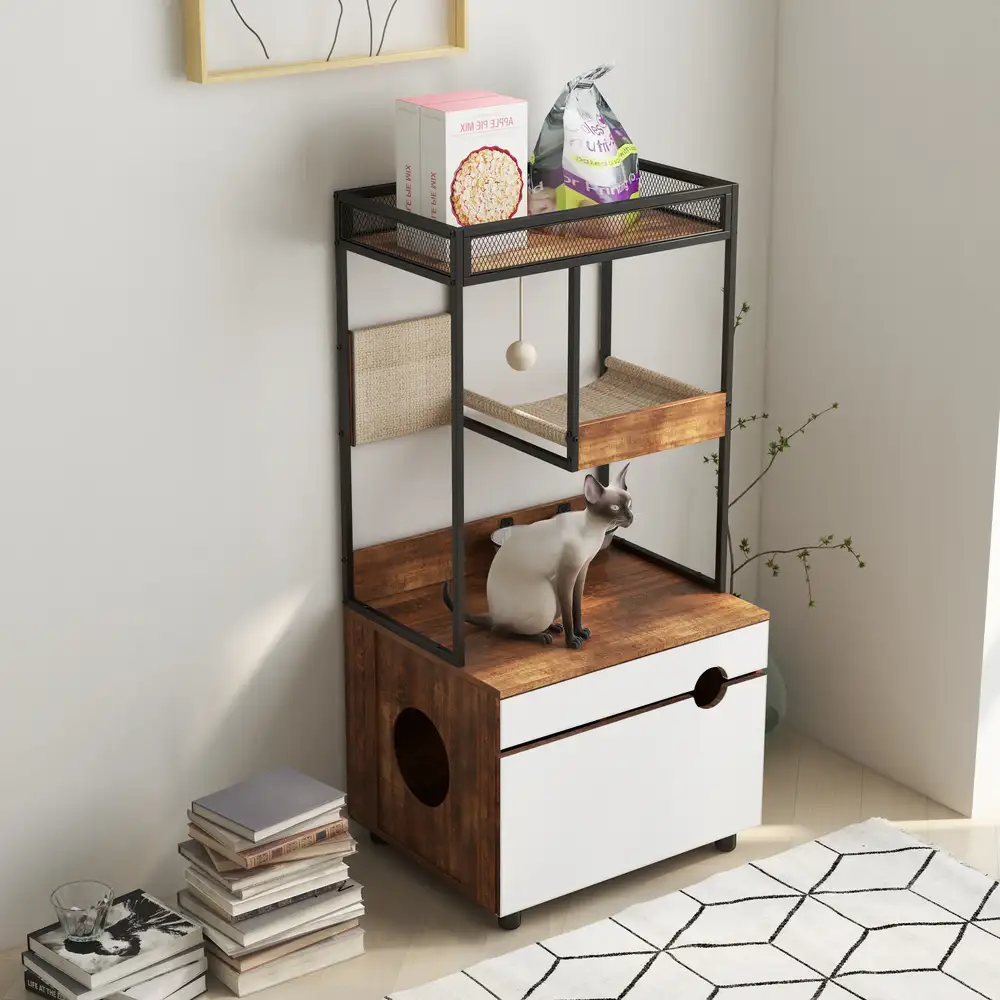
Why Height Matters to Indoor Cats
In the wild, cats climb to hunt, escape threats, and watch their territory. Height equals safety and a clear view. Indoor cats keep that instinct, but a flat apartment gives them almost nothing to climb. Without vertical outlets, natural behaviors get suppressed, which often shows up as stress or mischief.
This is not about spoiling a pet. It is about meeting a basic need. A cat that can climb and perch is simply behaving like a cat.
What Vertical Space Does for Your Cat
Reduces Stress
A high perch is a retreat. When a cat feels unsure (a loud noise, a visitor, another pet), it can move up and regain a sense of control. That small escape route lowers overall anxiety.
Supports Healthy Exercise
Climbing, jumping, and balancing are real workouts. For indoor cats that otherwise nap most of the day, vertical routes add low-effort movement that helps maintain a healthy weight.
Satisfies the Need to Observe
Cats are watchful by nature. A perch by a window or overlooking the room gives them a “lookout” that keeps the mind busy, and fewer bored, destructive behaviors follow.
Signs Your Cat Needs More Vertical Space
- Window-staring for long stretches is a sign they want a better vantage point.
- Climbing the sofa, fridge, or shelves means they are making their own height because none exists.
- Night-time zoomies or restlessness point to unused energy from too little enrichment.
- Hiding in tight high spots shows they want security, not just a nap.
Ways to Add Vertical Space at Home
- Cat tree– the easiest start; a tower with platforms and a perch.
- Wall shelves– a climbing path along the wall; great for renters who secure them well.
- Window perch– a single high seat with a view, mounted to the sill.
- Storage cat tree– same climbing benefit, plus a concealed cabinet for supplies, so you gain height and organization at once.
If you also want to tame clutter, our cat tree with hidden storage guide shows why the combined piece works so well.
A Cat Tree for Small Homes
In a small home, you want height without a wide base. A furniture-style storage cat tree fits against a wall and earns its footprint by adding both a climb and a cabinet. Our small-apartment cat furniture ideas walk through the whole space-smart setup.
Safety Tips
- Stable base– choose a reinforced frame so the tower will not tip during jumps.
- Anchor tall pieces– wall-anchor tall trees, especially with large or active cats.
- Easy path down– make sure your cat can step down comfortably, not just leap.
- Place near a view– a perch by a window gets used far more than one in a dark corner.
Frequently Asked Questions
Do indoor cats need a cat tree?
They need vertical space, and a cat tree is the simplest way to provide it. Without any climb, indoor cats miss core enrichment that supports calm behavior and healthy movement.
How tall should a cat tree be?
Tall enough for a real perch, around 40″ to 50″ works in many homes and lets the cat clear furniture height. Match the tower to your cat’s age and mobility; senior cats need easier steps.
My cat never climbs. Is that normal?
Some cats warm up slowly, especially if they have never had height. Add a perch near a window and a treat on the first platform; curiosity usually draws them up.
Can vertical space reduce spraying or scratching furniture?
It helps by lowering stress and giving appropriate outlets, but it is one part of behavior care. Pair height with scratching posts and a routine; persistent issues deserve a vet check.
What if I rent and cannot mount shelves?
A freestanding cat tree needs no drilling. A storage cat tree also doubles as a cabinet, so it earns its place even in a rental.
Trusted Cat Care Resources
Recommended: OmniHaven Cat Tree Storage Cabinet
- Tall perch plus multiple platforms for real vertical space
- Concealed storage cabinet keeps pet supplies organized
- High-Quality Wood body with a reinforced metal frame for stable support
- Dimensions: 23.6″ W × 18.9″ D × 48.4″ H; about 42.7 lbs assembled